LGM Program Day Reflection – Industry & Economic Prosperity Day 2025
I
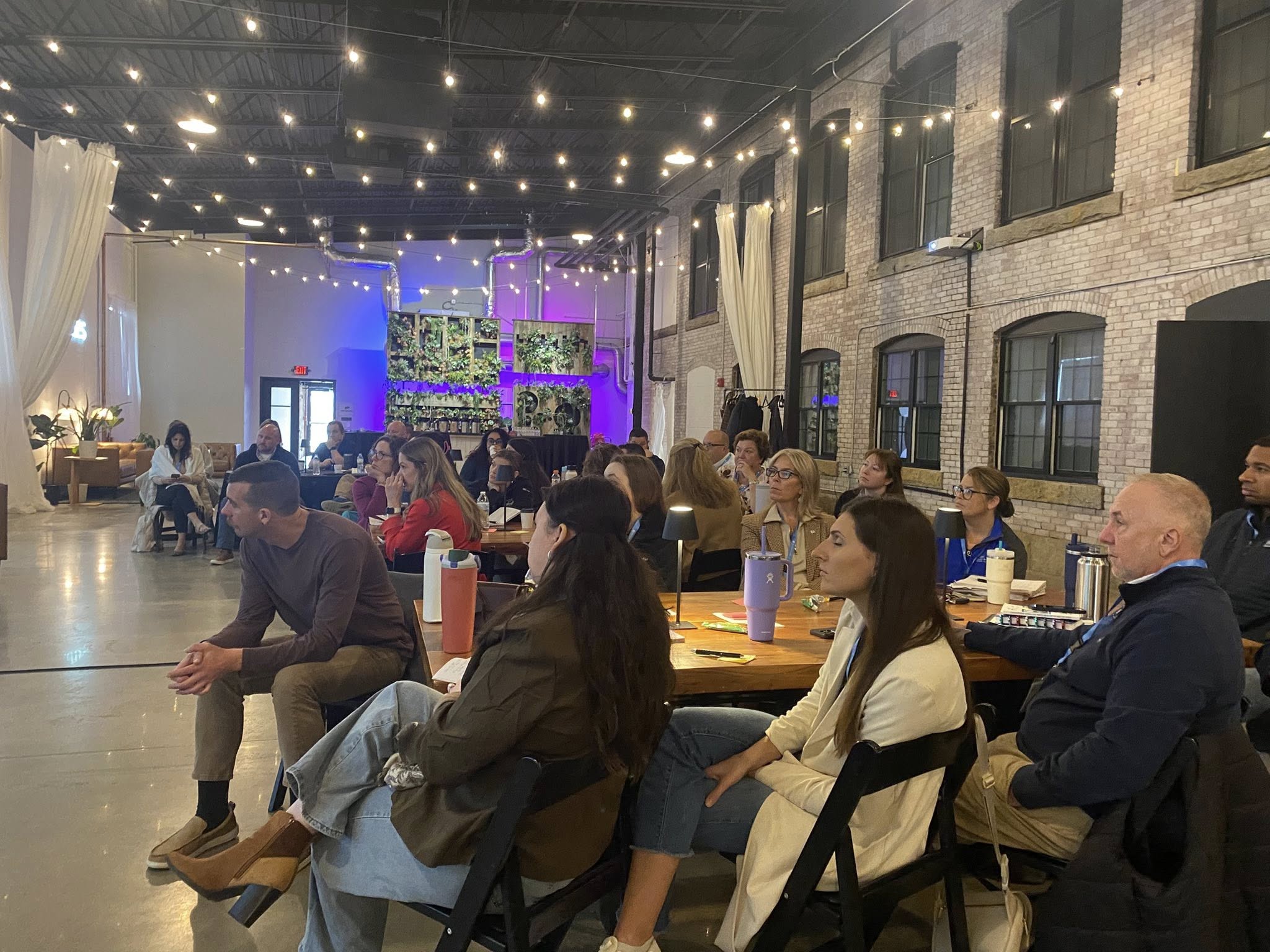
ndustry and Economic Prosperity Day with Leadership Greater Manchester was a reminder that the story of Manchester’s economy has always been a story about people. Our class met at The Venues at the Factory, a building I had been in before, but this time the space felt transformed and welcoming by our incredible hosts, Marlana Trombley and Jenna Bee Wolf. They opened and closed our class day with the simple yet profound question: What is economic prosperity? It was reassuring to hear classmates echo what I have long believed: prosperity is not measured by dollars on a spreadsheet. It is the well-being, creativity, and opportunity of people. My classmate Jacqueline captured this well, even invoking the “abundance mindset” that resonates strongly with me. I told her about a recent book I read, Abundance, which reinforces the idea that progress grows from possibility, not scarcity.
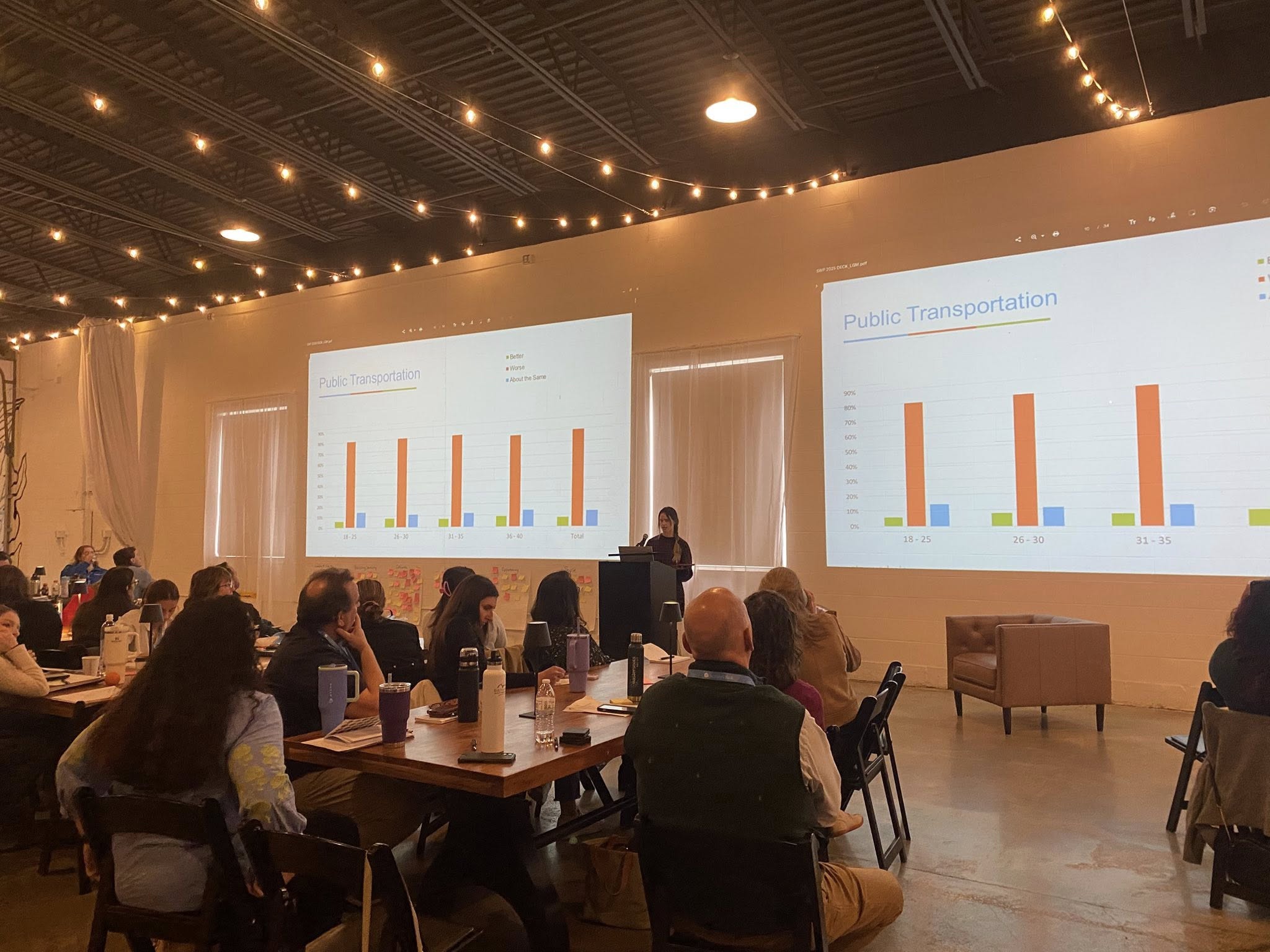
That framing turned out to be the perfect setup for the economic reality check we received next. Brian Gottlob, Director of the Economic and Labor Market Information Bureau at the NH Department of Employment Security, walked us through the data currently facing small businesses, namely tariffs, worker shortages, and the compounding effects of immigration constraints. As someone who works in education and the arts, I felt the sting when he spoke about the past decade of communities cutting back on the very amenities that make a place worth living in. His comment, “Brains are the most valuable resource,” stuck with me. In many ways, Manchester is beginning to reap the benefits of a newer approach that leads in housing development, attracts younger renters, and rebuilds the ecosystem that supports long-term growth.
That theme of intentional, people-centered investment was a main focus with Jodie Nazaka, Manchester’s Economic Development Director. Having worked with her during the 2020 zoning master plan process, I already knew her depth of commitment, but hearing her walk through Manchester’s demographic reality and its risks brought needed clarity. We are a younger city than the surrounding state, but housing pressures could quickly shift that trajectory.
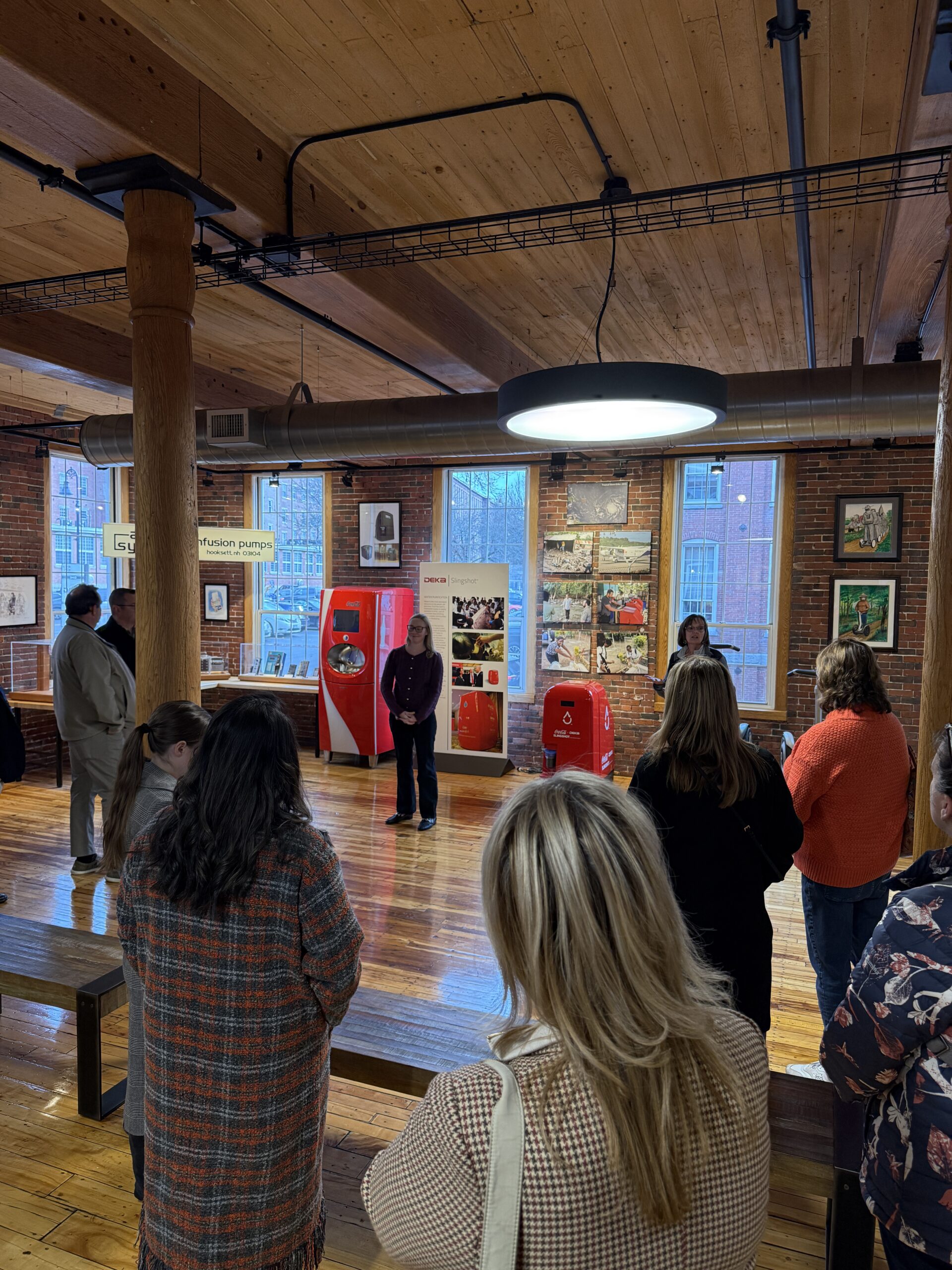
After lunch, the class visited the Advanced Regenerative Manufacturing Institute (ARMI). It was humbling to stand inside the same mill buildings that once powered the textile industry, now reimagined as a hub of biofabrication. Dean Kamen’s vision, backed by federal investment and fueled by an extraordinary workforce, felt like witnessing the next chapter of Manchester’s economic identity being written in real time. From regenerative medicine to workforce pipelines and internships, it was a tangible reminder of how far we’ve come, and how much potential remains.
Seeing the scale of innovation at ARMI and the broader economic momentum in Manchester made me reflect on my own role in supporting a prosperous future. Our region needs a well-rounded, educated workforce, and the arts play a critical part in that. Creativity, problem-solving, cultural literacy, and the ability to collaborate across differences are essential skills for the workforce of today and tomorrow. For those already working in Manchester, access to arts and culture enriches the quality of life and strengthens the community fabric that helps talent stay.
Walking away, I was struck by how consistently this LGM program day circled back to people and their ideas, needs, opportunities, and pride. Economic prosperity is the collective work of a community choosing abundance: choosing to invest, to welcome, and to build. As a leader, I hope that mindset continues to guide how I and others show up for Manchester. We need to be champions for this city. That call echoed throughout the day, from Factory owner Liz Hitchcock’s insights, our classmates’ reflections throughout the day, and of course, in Jodie Nazaka’s closing reminder: to help Manchester thrive, always “be a champion” for all that it has to offer.