LGM Program Day Reflection – History Day 2026
A
s a near, life-long resident of the city of Manchester, I believed that I had a good grasp of its history. With my own roots as the daughter of a 38-year Manchester business owner, granddaughter of a former Manchester mayor, niece of a retired Manchester Police Lieutenant, and niece of at least three women-owned Manchester businesses, it was not a matter of if I would get involved in Manchester’s happenings, but when.
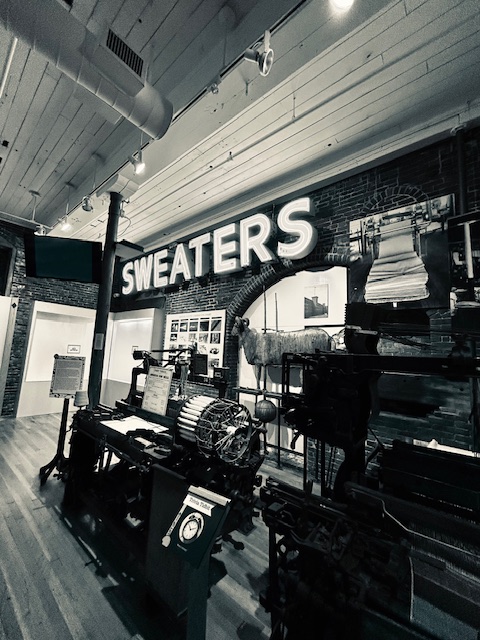
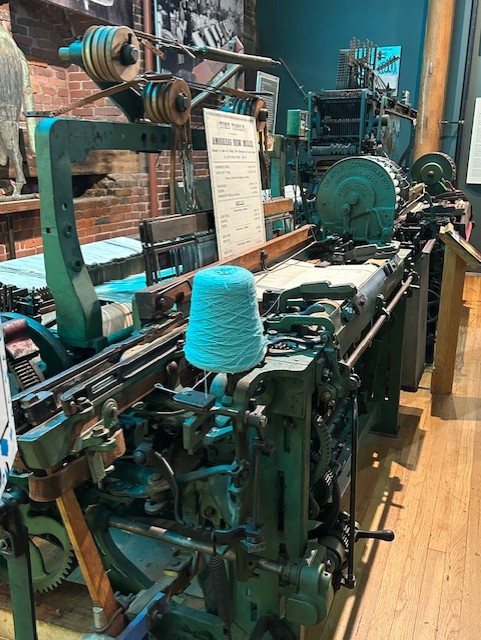
Ever since I heard about the Manchester Chamber’s Leadership Greater Manchester (LGM) program, I knew it was a unique way to learn how I could support positive development for the Queen City within a proven framework. As a member of the Class of 2027, our first full-day class began with a tour of the Manchester Millyard Museum. With a workforce coming from Quebec, Ireland, Greece and Poland, learning that skilled trade laborers from other countries were sought after in order to build the mills, maintain the machines, weave, and spin and dye the materials made me realize just how much of a melting pot Manchester already was in the mid to late 19th century. There is so much more to explore at the museum, and I cannot wait to go back.
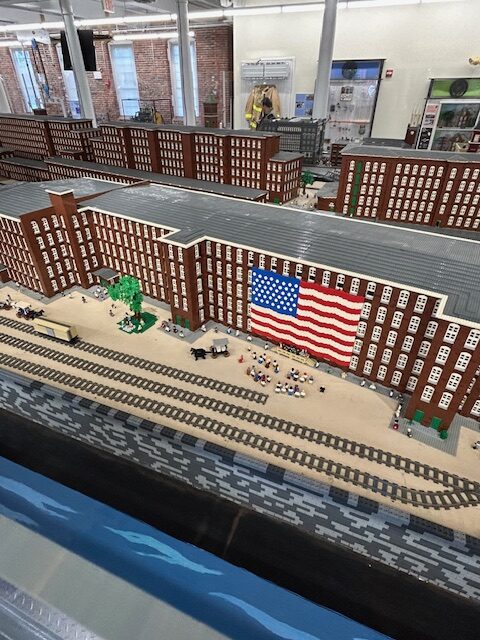
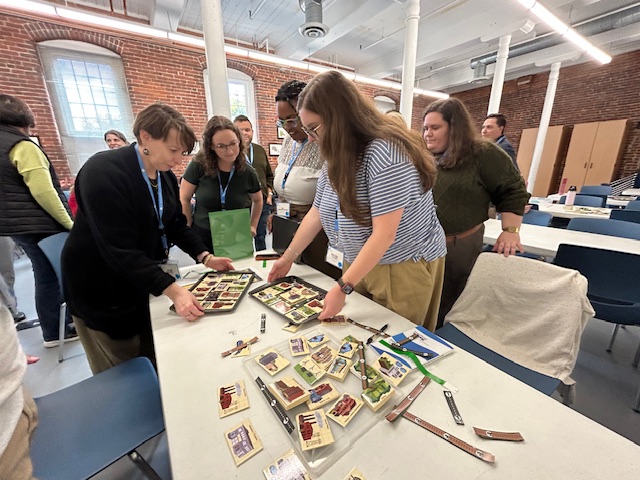
As we moved to the SEE Science Center, we viewed the LEGO reproduction of the Manchester Millyard and it was fascinating. Women in Transportation (WTS) and SEE demonstrated how challenging city planning can be. I was impressed by their idea of “complete streets” and making a way for vibrant communities demonstrating that transportation involves more than just cars. Providing access for all communities to have a way for equitable public engagement is important, whether it’s a mom walking her kids to school or a city bus needing a bus stop on a busy street.
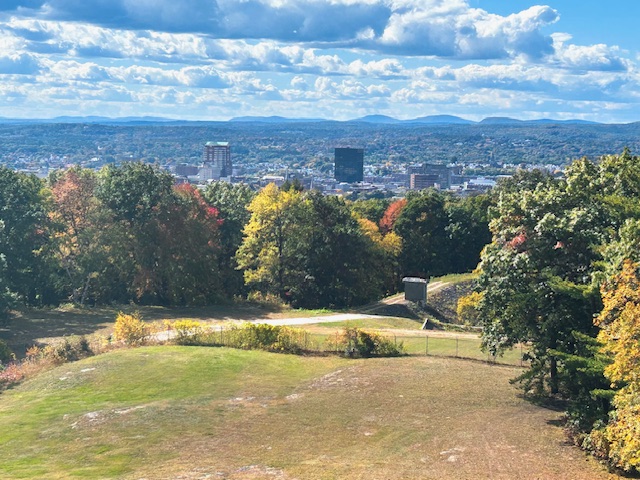
During the remainder of the day, we took a bus around the city to Eversource, Weston Observatory, Derryfield Park, Stark Park, Saint Marie’s Church, and ended at the Manchester Historic Association Research Center. The Research center was a highlight for me as I was able to find out who first owned my home back in 1925 (a former journalist, historian, and Secretary of State) and see the teary-eyed look on a classmate’s face paged through records of his grandparent’s work history in the Amoskeag Millyard. There was a sense of excitement throughout the class that could be felt as the thrill of discovery lingered just around the corner.
Reflecting on the day, I’m reminded of the collaborative and innovative work it took to make Manchester what it is today. From the Abenaki and Pennacook Tribes beginning here, to the thousands of Millyard Workers making up nearly a quarter of the city’s population at its height, to the coined “Silicon Millyard” or “Regen Valley” the Manchester Millyard is now, and beyond, it is not lost on me that I have a responsibility to work together with those around me to plan for a positive future for our community.
